

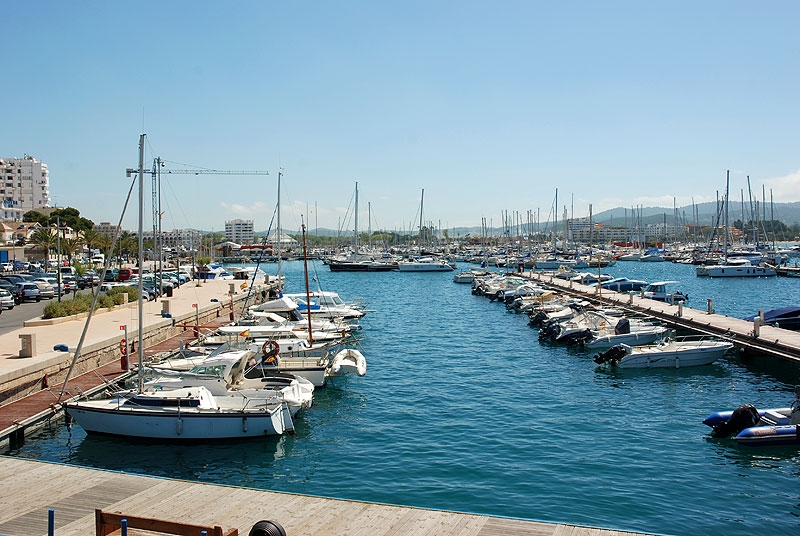
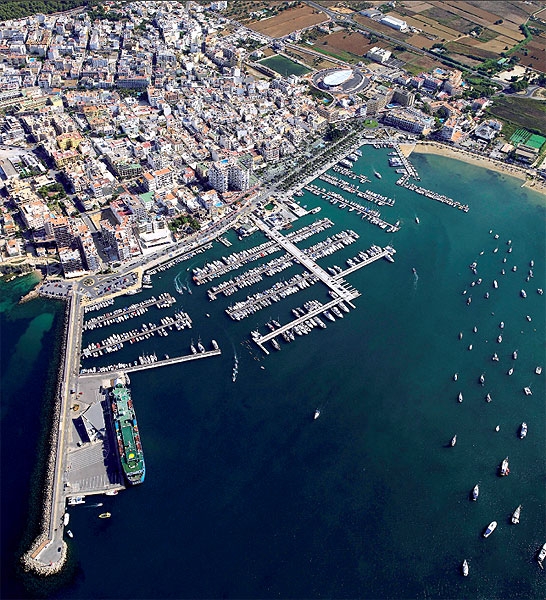
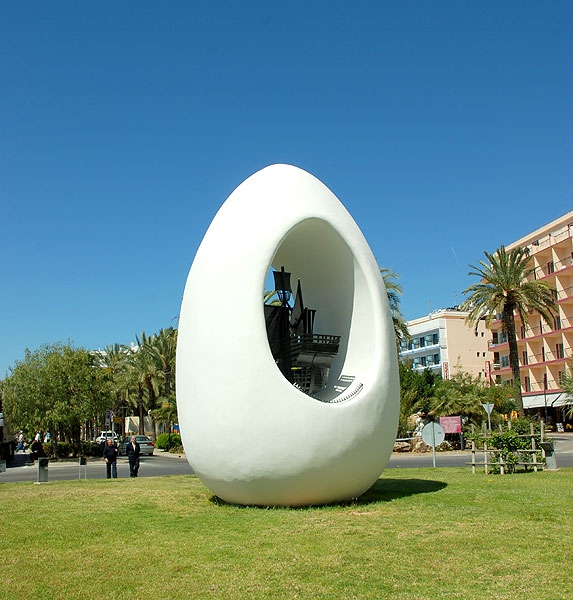
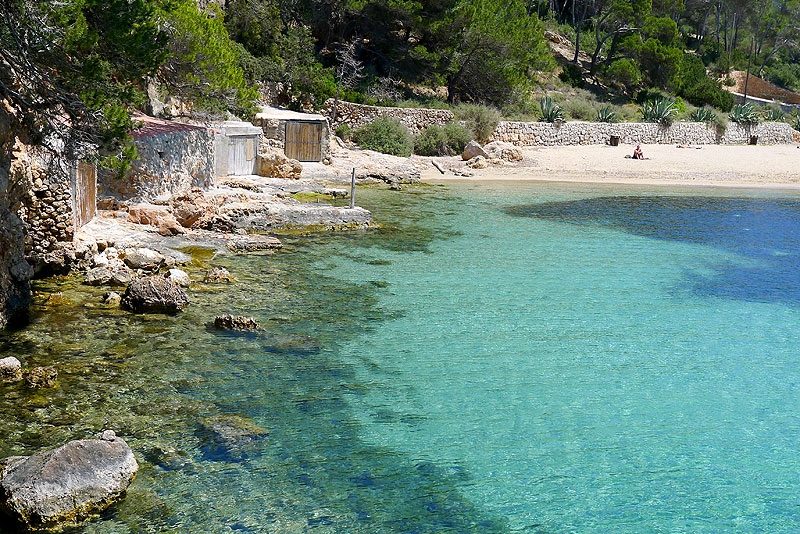
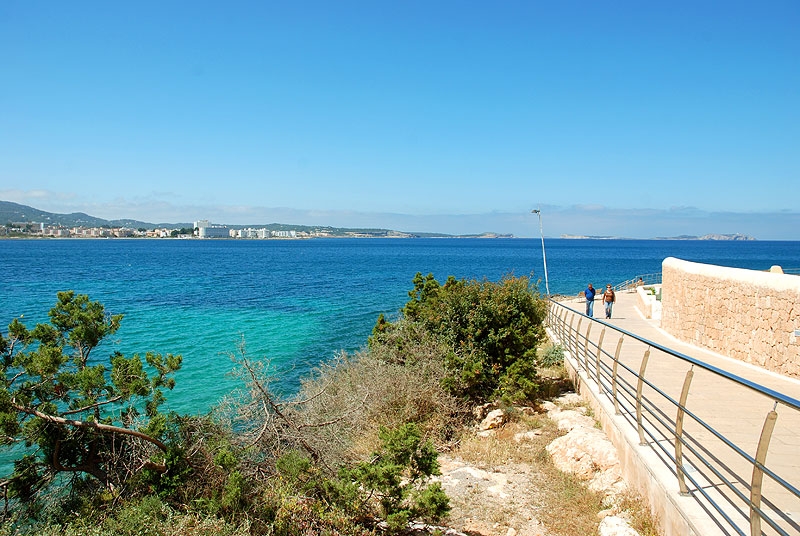
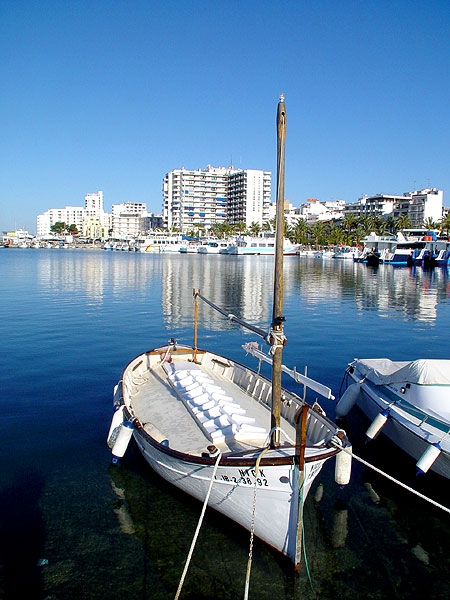
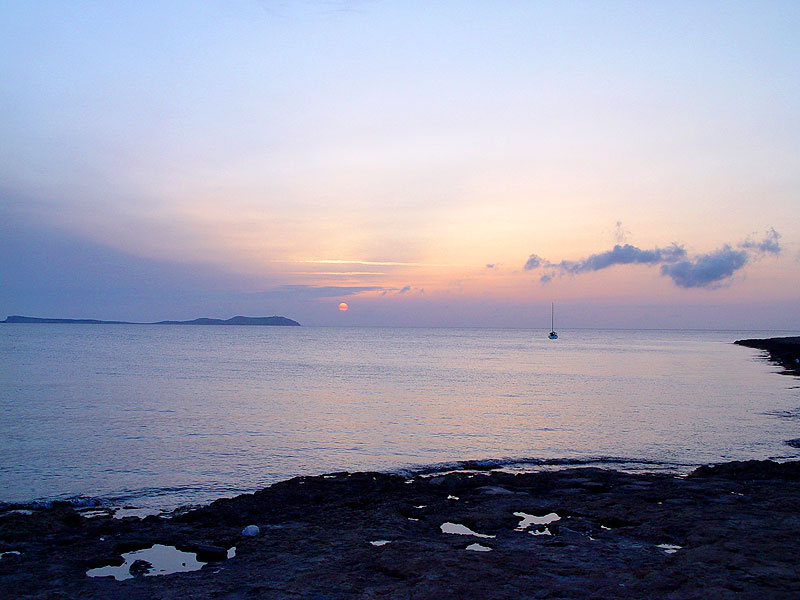
The Romans named San Antonio Abad the new title of Portus Magnus, a name that reflected perfectly the first impression of those Italian sailors when they set foot on the sands of this municipality, which has the biggest natural port on Ibiza. This bay –which the furthest half belongs to the municipality of Sant Josep- is one of the few bays in the Mediterranean facing west. In full view of it, every evening at sunset, the sun hides away behind the small offshore isle of sa Conillera, bathing both sky and sea with an intense orange reflection.
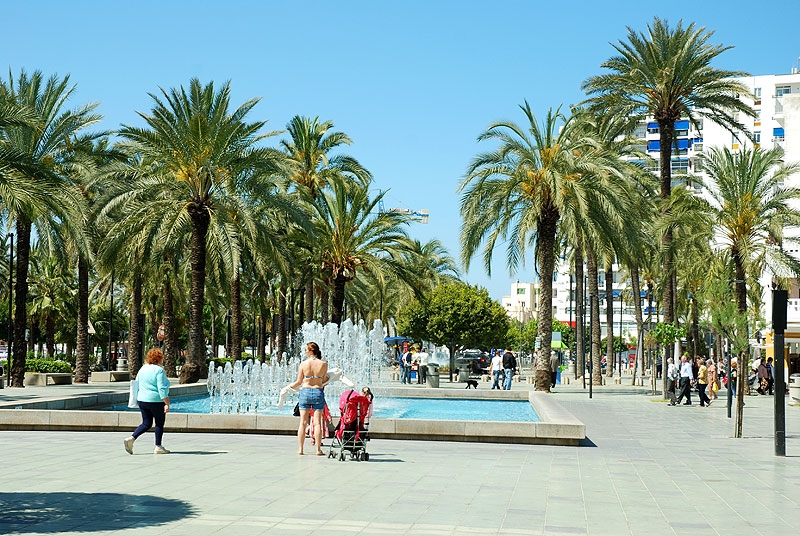
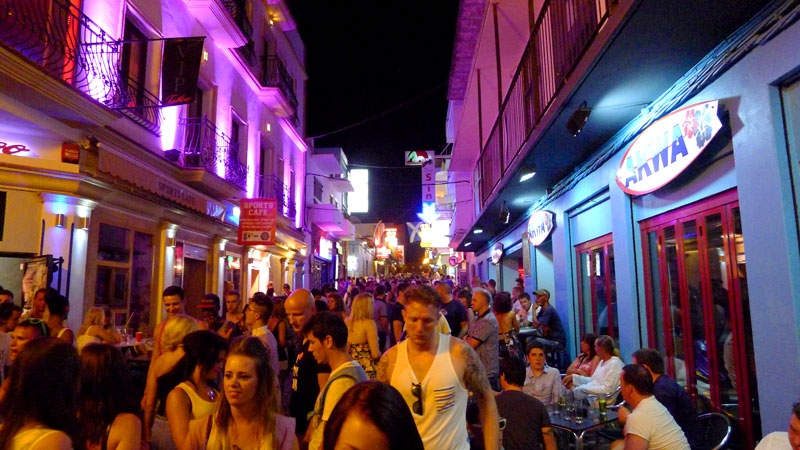
The bay concentrates most of the hotels on the island. It has a port, and streets full of shops, services and bars. Receives a lot of people in the summer evenings, especially in the area of the West End. However, the main attraction of the locality, some years ago, is the Ses Variades coast, where thousands of people come to watch the sunset.
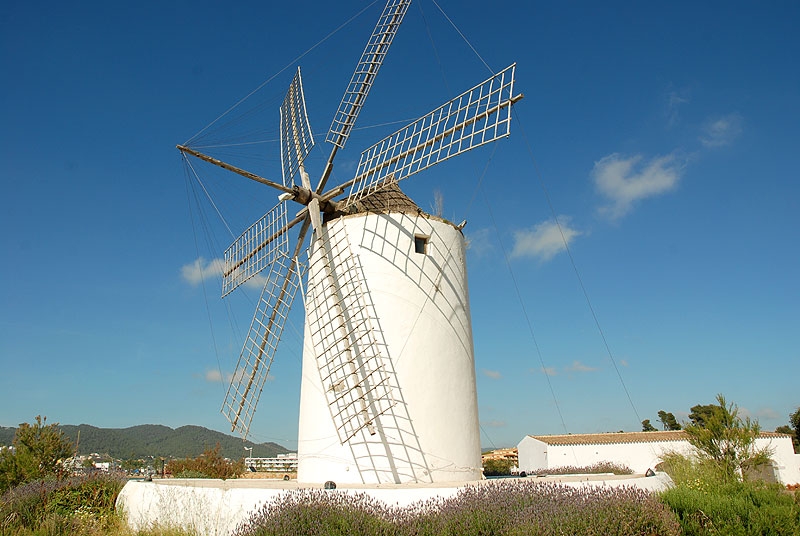
Sa Punta des Molí is one of Sant Antoni’s main attraction because of its great historical value. An old windmill, a water wheel, and an exhibition room can be visited. This cultural area was started in 1999, and it can also keeps an olive oil mill and some fishing huts. The whole setting helps the visitor get an idea of the lifestyle and traditions of the islands up to the beginning of the 20th century, in a most beautiful surrounding.
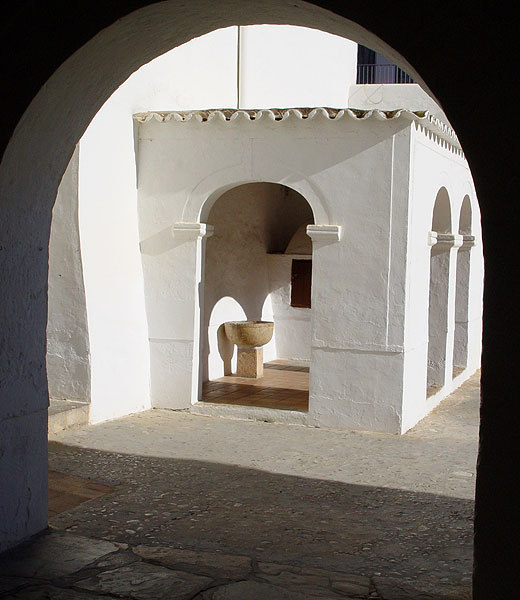
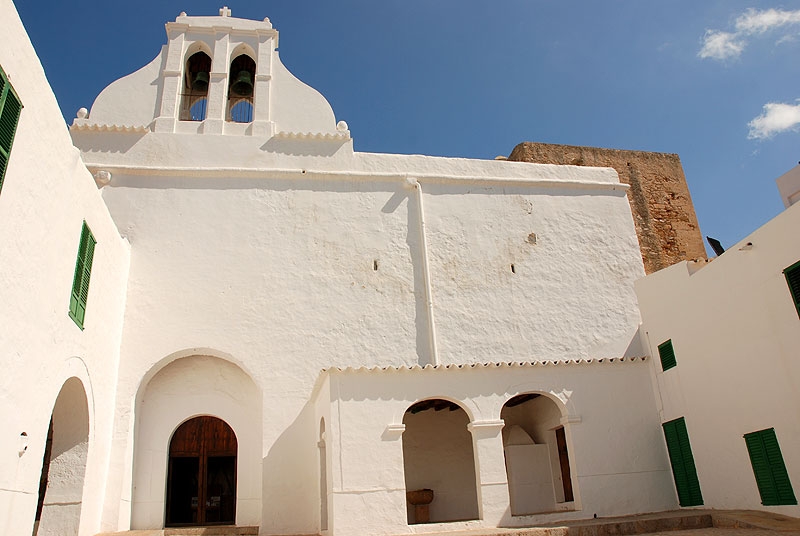
Another place of interest in Sant Antoni is this church, located in a square with the same name. It has the typical architecture of the older island temples, which were conceived as religious centres, fortresses and meeting points. This particular church was built in the 14th century and the tower had a polygonal shape to help it serve as a fortress in the case of pirate invasions.